
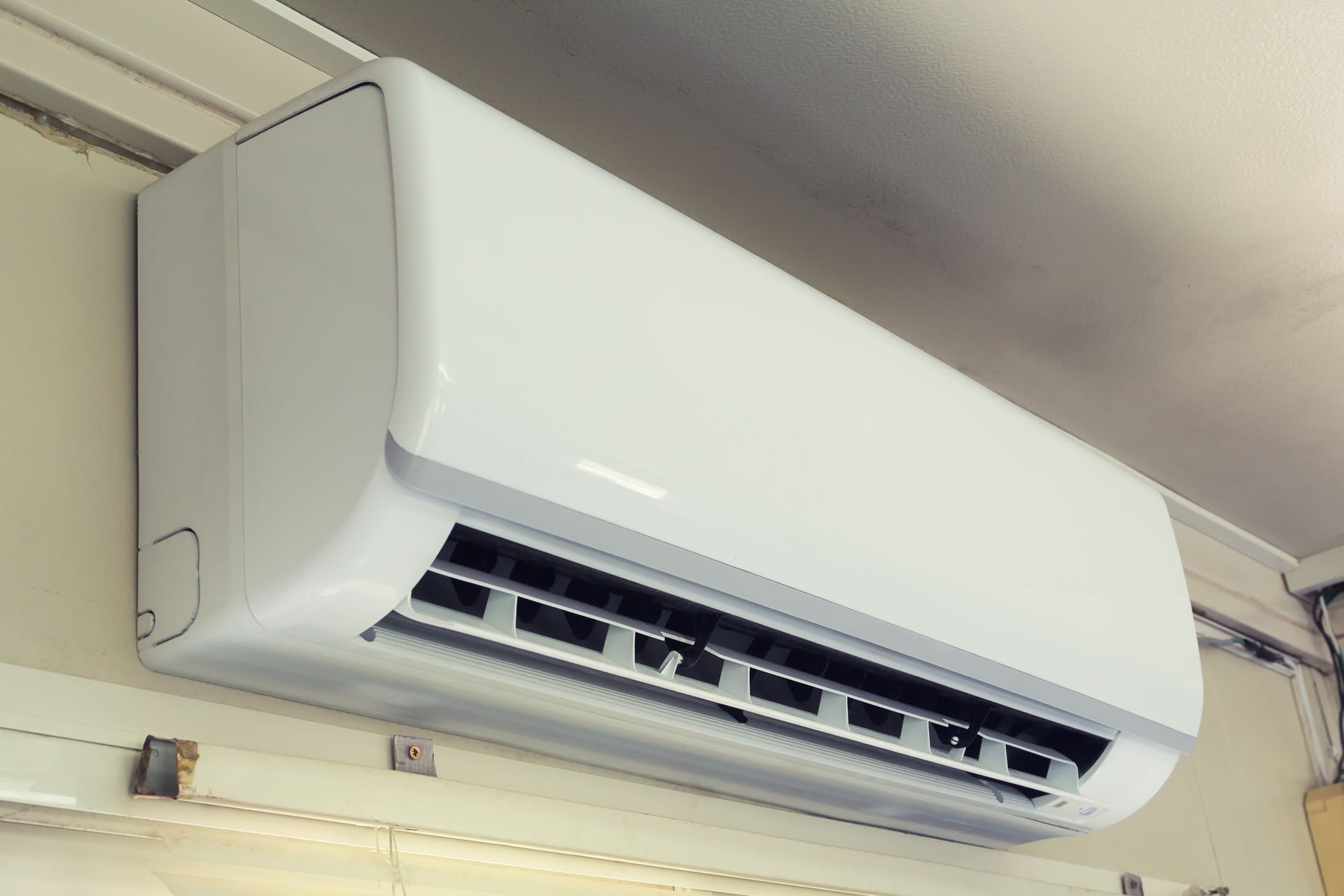
Zoned Cooling Without Ductwork Requirements
Mini Split Installation in Honolulu for room additions, individual spaces, and homes seeking independent temperature control
Honolulu's older homes often lack the attic or crawl space needed to install traditional ductwork, and adding cooling to converted garages, lanais, or second-story additions becomes impractical with central HVAC systems. Mini split systems provide efficient cooling through wall-mounted indoor units connected to outdoor compressors by refrigerant lines that require only a three-inch penetration through exterior walls. Each indoor head operates independently, allowing you to cool specific rooms based on actual use rather than conditioning the entire home, which reduces energy waste and provides flexibility for spaces with varying occupancy patterns.
Air Conditioning Etc LLC installs mini split systems by mounting indoor air handlers at optimal locations for airflow distribution, running refrigerant lines and electrical connections through concealed pathways when possible, and positioning outdoor units where noise and appearance remain unobtrusive. Proper installation requires precise refrigerant charging, secure mounting that withstands wind loads, and drainage configuration that prevents condensate backup during continuous operation in humid conditions.
Request a consultation to evaluate room layouts and determine the number of indoor heads needed for effective cooling coverage in Honolulu, Waialae-Kahala, Aiea, or a neighboring community.
The Difference Between Mini Splits and Central Systems
Mini split systems use inverter-driven compressors that adjust cooling output continuously rather than cycling on and off at full capacity, which reduces energy consumption and eliminates the temperature swings common with single-stage equipment. Each indoor unit includes a remote control or wall-mounted interface that sets independent temperature and airflow preferences, so bedrooms can remain cooler than living areas, or unused spaces can be turned off completely. Installation avoids the energy losses associated with ductwork, which can account for twenty to thirty percent of cooling capacity in poorly sealed or uninsulated duct systems.
After installation, you notice immediate cooling in spaces that previously lacked climate control, with quieter operation than window units and no loss of window access. The system responds quickly to temperature adjustments because refrigerant lines connect directly to indoor heads without the thermal lag of ducted air distribution. Humidity control improves as the system runs longer cycles at lower speeds, removing moisture more effectively than equipment that operates in short, high-speed bursts.
Mini split installation includes refrigerant line placement, electrical connection, wall penetration and sealing, condensate drain configuration, and system startup with performance verification. It does not include electrical service upgrades, structural reinforcement, or finish carpentry beyond basic wall patching. Selecting the right capacity for each room requires understanding heat gain from windows, occupancy, and equipment, which determines whether single-zone or multi-zone configurations make sense for your home.
At A Plus Transformation, we turn your vision into reality—one roof, one siding project, one satisfied homeowner at a time.
Questions Before Starting Your Project
Homeowners considering mini split systems ask about capacity, placement, efficiency, and how these systems compare to other cooling options.
What determines how many indoor heads a home needs?
Each head covers a specific area based on BTU capacity, room size, insulation quality, and heat load, so installations range from single-zone systems for one room to multi-zone systems serving multiple spaces from one outdoor unit.
Where should indoor air handlers be mounted for best performance?
Placement above doorways or on walls opposite windows provides even air distribution, avoids direct airflow on occupants, and allows the unit to sense room temperature accurately without interference from heat sources.
How do mini splits perform in Honolulu's climate compared to central air conditioning?
They excel in humid environments because variable-speed operation allows longer dehumidification cycles, and the absence of ductwork eliminates moisture infiltration points that can introduce additional humidity into conditioned air.
What maintenance do mini split systems require?
Indoor filter cleaning every month, annual professional inspection of refrigerant levels and electrical connections, and periodic outdoor coil cleaning maintain efficiency and prevent breakdowns.
Can mini splits cool homes as effectively as ducted systems?
Yes—properly sized multi-zone systems deliver equivalent cooling capacity while providing independent control and eliminating duct-related energy losses, making them particularly effective for homes with varied cooling needs across different rooms.
Air Conditioning Etc LLC designs and installs mini split systems tailored to your home's layout and cooling requirements. Contact the team at (808) 778-9022 to discuss zoned cooling options and schedule an installation evaluation.